


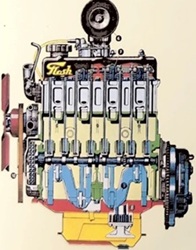
The Simca Aronde 1300 or 90A, the Flash-engine turning point

When the Aronde 1300 arrived for the 1956 model year, Simca was not merely refreshing its best-known model. The brand gave it a fuller engine, a stronger appearance and a much broader presence in the range.

Between the early Aronde 9 and the later P60, the 1300 often represents the most balanced moment in the whole line.

Key facts. 1956 model year, 1,290 cc Flash engine, "ligne Oceane", Elysée and Grand Large saloons, utility versions and Monthlery series: the Aronde 1300 marks the family's widest expansion.

The Simca Aronde 1300

1956, a more complete Aronde

With the Aronde 1300, Simca developed a model that was already selling well. The most visible change was not the only important one. The 1,290 cc Flash engine brought a little more strength and flexibility, enough to keep the car aligned with a market that was becoming more demanding.

The designation 90A, often found in documentation, belongs to this transition. The Aronde remained the same family, but it entered a more mature and better equipped stage.

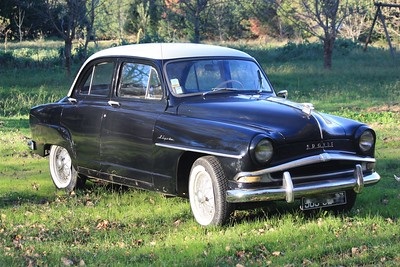
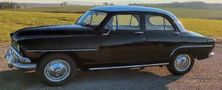
1957 Simca Aronde 1300 Grand Large
A 1957 Aronde 1300 Grand Large.

The "ligne Oceane" changes the shape

The 1956 model year revised the presentation deeply. The grille became sharper, the rear took on a measured American influence, and the dashboard and cabin furniture were redesigned. The result was a better-dressed and more expressive car without fully breaking with the balance of the first Arondes.

This stylistic move matters because it shows how closely Simca followed contemporary taste while keeping the format and purpose of a family car.

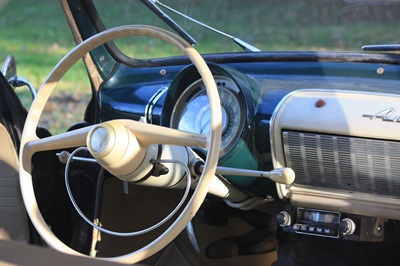
Simca Aronde 1300 dashboard
The redesigned dashboard accompanied the new presentation of the Aronde 1300.

A very broad range, from everyday use to style car

The Aronde 1300 existed as De Luxe and Elysée saloons, the Grand Large coach, coupes, cabriolets and a whole series of utility bodies. Few French cars in this class then offered such breadth. Simca used its technical basis to the full, which allowed it to reach families, tradespeople and buyers who simply wanted a more elegant line.

That abundance of body styles also explains the model's place in collections today. Depending on the version, the car does not feel exactly the same, even though the family resemblance is immediate.

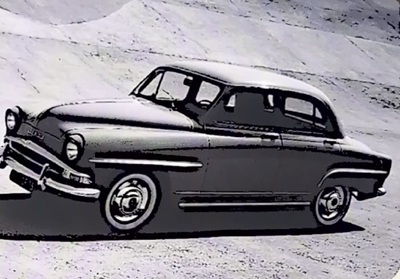
Simca Aronde 1300 Monthlery
The Monthlery version turned the Montlhery record story into a production model.

Montlhery, Monthlery and better-equipped versions

The endurance records set at Montlhery in the spring of 1957 gave Simca a powerful publicity argument. The brand used them to reinforce the Aronde's reputation for toughness and to launch Monthlery versions that placed more emphasis on performance and equipment.

In the same spirit, better-finished versions such as the Elysée-Matignon tried to pull the range upward. All this shows a company that no longer wanted only to sell a good popular car, but to build a real hierarchy inside the range.

The best bridge between the Simca 9 and the P60

The Aronde 1300 kept the sound logic of the early cars while clearly preparing the P60. It toughened the style a little, enriched the trim and modernised the engine without yet moving into the stronger visual excesses of the late 1950s.

That is why it remains central in the line's history. It is not the beginning and not the last transformation, but it is very likely the most complete phase of the family.

Sources

Chronique au fil du temps

Moteur Flash de l’Aronde 1300 : ce qu’il change chez Simca 2026-06-15 14:36:14 auto-retro
Moteur Flash de Simca Aronde
Avec le moteur Flash, l’Aronde 1300 gagne surtout en tenue d’ensemble et en souffle commercial.

Catégorie: auto-retro Tag: simca Tag: mecanique Tag: modele Tag: entretien

Le moteur Flash est souvent cité comme le grand tournant mécanique de l’Aronde 1300. Le terme se tient, mais il demande de la mesure : Simca cherche moins la rupture que le bon ajustement au marché du milieu des années 1950.
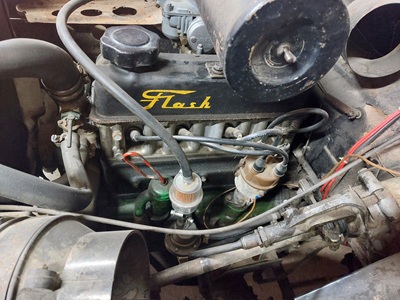
Compartiment moteur d’une Simca Aronde 1300
Le Flash n’est pas une révolution isolée ; il accompagne une phase entière de maturité du modèle.

Une mécanique plus en phase avec le marché

L’Aronde marche déjà très bien avant 1956. Pourtant, la concurrence avance et les attentes montent. Le moteur Flash apporte ce qu’il faut de souplesse et d’allonge pour maintenir la voiture à son niveau commercial.

Le progrès est donc réel, mais il s’inscrit dans une continuité. Simca améliore ce qui doit l’être sans renier la méthode Aronde.

Le Flash comme repère de maturité

À partir du moment où le Flash apparaît, l’Aronde 1300 entre dans une phase plus aboutie. La voiture n’est plus seulement la berline moderne qui a surpris en 1951 ; elle devient une valeur installée qui apprend à durer.

Le moteur accompagne cette mue. Il soutient une voiture mieux présentée, mieux située et plus large dans ses versions.

Pourquoi cette nuance compte encore aujourd’hui

Pour l’amateur de collection, le mot Flash aide à situer la voiture dans l’histoire de la lignée. Mais il ne faut pas oublier que la valeur d’un exemplaire repose autant sur sa cohérence générale que sur sa seule dénomination mécanique.

Le moteur reste donc un bon repère, pas comme un argument suffisant en lui-même. Il aide à lire l’Aronde 1300 dans sa juste place.

Cette mise au point complète la page la Simca Aronde 1300. Dans le même dossier, la suite directe est Ligne Océane de l’Aronde 1300 : les détails de style qui comptent vraiment.

Sources

Discussions