


LA DYNA DE CHEZ PANHARD
La Panhard Dyna : Une Automobile Française à l’Avant-Garde
Naissance dans l’élan d’après-guerre
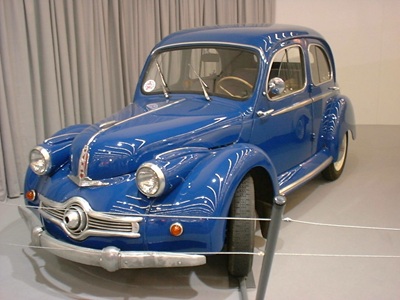
Au sortir du conflit mondial, la France automobile cherche un second souffle. En 1946, Panhard, entreprise alors centenaire, décide de miser sur une rupture technologique. Sous l’impulsion de l’ingénieur Jean-Albert Grégoire, la Dyna X voit le jour. Conçue selon une logique de légèreté maximale, elle adopte un châssis poutre et une carrosserie en aluminium, issue des surplus aéronautiques de guerre. Elle est propulsée par un moteur bicylindre à plat de 610 cm³ refroidi par air, développant environ 24 chevaux. Le tout pour un poids à vide d’à peine 650 kg.
Design et architecture novateurs
La ligne arrondie de la Dyna tranche avec la production de l’époque. Sa forme fuselée est travaillée en soufflerie, réduisant considérablement la traînée aérodynamique. Panhard revendique un Cx (coefficient de pénétration dans l’air) inférieur à 0,30, remarquable pour une berline familiale des années 40. L’habitacle spacieux malgré la compacité extérieure témoigne d’une ergonomie pensée dès la conception, avec plancher plat et sièges optimisés pour le confort longue distance.
Un condensé de technologies de pointe
Parmi les spécificités marquantes :
- Châssis poutre central assurant rigidité et légèreté.
- Suspension indépendante à l’avant comme à l’arrière, avec barres de torsion, garantissant une tenue de route remarquable.
- Moteur à plat refroidi par air : peu encombrant, facile à entretenir, et peu gourmand en carburant (5,2 L/100 km).
- Freins hydrauliques dès 1949, gage de sécurité accrue.
Dyna X (1948–1953) : les débuts de la révolution
Première née de la famille, la Dyna X affiche des performances inédites pour une voiture populaire. Sa vitesse de pointe approche les 100 km/h, et son comportement routier surclasse bien des concurrentes plus lourdes. L’intérieur se distingue par sa finition sobre mais ingénieuse. Le volant monobranche, la planche de bord centrale et le levier de vitesses au tableau de bord préfigurent les standards modernes.
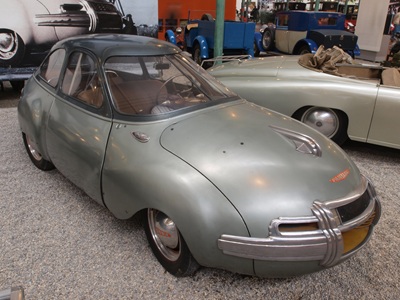
La Dynavia : laboratoire roulant
Présentée en 1948, la Dynavia est un prototype expérimental basé sur la Dyna X. Sa carrosserie ultra-aérodynamique en aluminium est dessinée pour atteindre un Cx de 0,26. Le moteur est identique à la Dyna, mais l’accent est mis sur les gains énergétiques par l’aérodynamisme pur. Elle préfigure les recherches futures sur l’optimisation de la consommation par la forme.
Caractéristiques techniques de la Dyna X
- Moteur : bicylindre à plat, 610 cm³, 24 ch à 4 000 tr/min.
- Transmission : boîte manuelle à 4 rapports.
- Poids : 650 kg.
- Vitesse maximale : 95–100 km/h selon version.
Dyna Z (1954–1959) : l’apogée
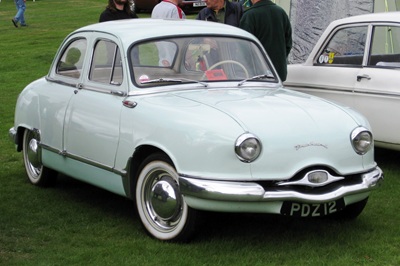
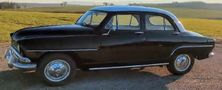
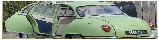
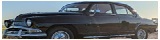
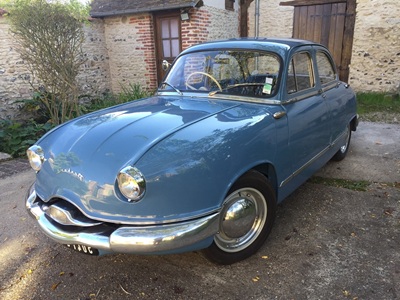
En 1954, la Dyna Z remplace la X. Sa ligne moderne et galbée, ses phares carénés et sa large calandre marquent un tournant esthétique. Le moteur passe à 851 cm³ pour 42 chevaux. La vitesse maximale atteint alors 130 km/h. Les suspensions sont améliorées, tout comme l’insonorisation. Malgré un coût de production élevé lié à l’aluminium, elle se vend bien.
La Dyna Z devient l’un des derniers bastions de l’indépendance technique française avant la standardisation industrielle des années 60.
Déclin et fin d’une époque
Face à la rationalisation industrielle, la carrosserie en aluminium devient un handicap financier. En 1959, la Dyna Z laisse place à la PL17, et l’acier remplace peu à peu l’aluminium. En 1965, Citroën absorbe Panhard et abandonne définitivement la gamme Dyna en 1967. Le moteur bicylindre subsistera encore brièvement, dans quelques Citroën dérivées.
Héritage et postérité
La Panhard Dyna est aujourd’hui une icône convoitée par les collectionneurs. Son design, son moteur original, sa rareté (notamment en version aluminium) en font un symbole du savoir-faire français.
Les clubs comme l’Amicale Panhard & Levassor maintiennent son souvenir vivant, à travers rallyes, restaurations et expositions.
Conclusion
Rouler en Dyna, c’est embarquer dans une histoire faite d’audace, de précision mécanique et d’élégance aérodynamique. Peu de voitures peuvent se targuer d’avoir influencé autant de domaines à la fois. Son souvenir n’a rien de passéiste , il évoque une époque où l’automobile rimait avec progrès humaniste et ingénierie éclairée.
Pour mieux comprendre la Dyna Z, vous pouvez aussi découvrir notre Dyna Z12 dans le golfe de Saint-Tropez, ainsi que la Panhard Dyna Z de collection.