





Se promener à Cavalaire-sur-Mer
Cavalaire-sur-Mer se lit par sa grande baie, son port, la plaine de Pardigon, la memoire du Debarquement et un littoral encadre par les contreforts des Maures.
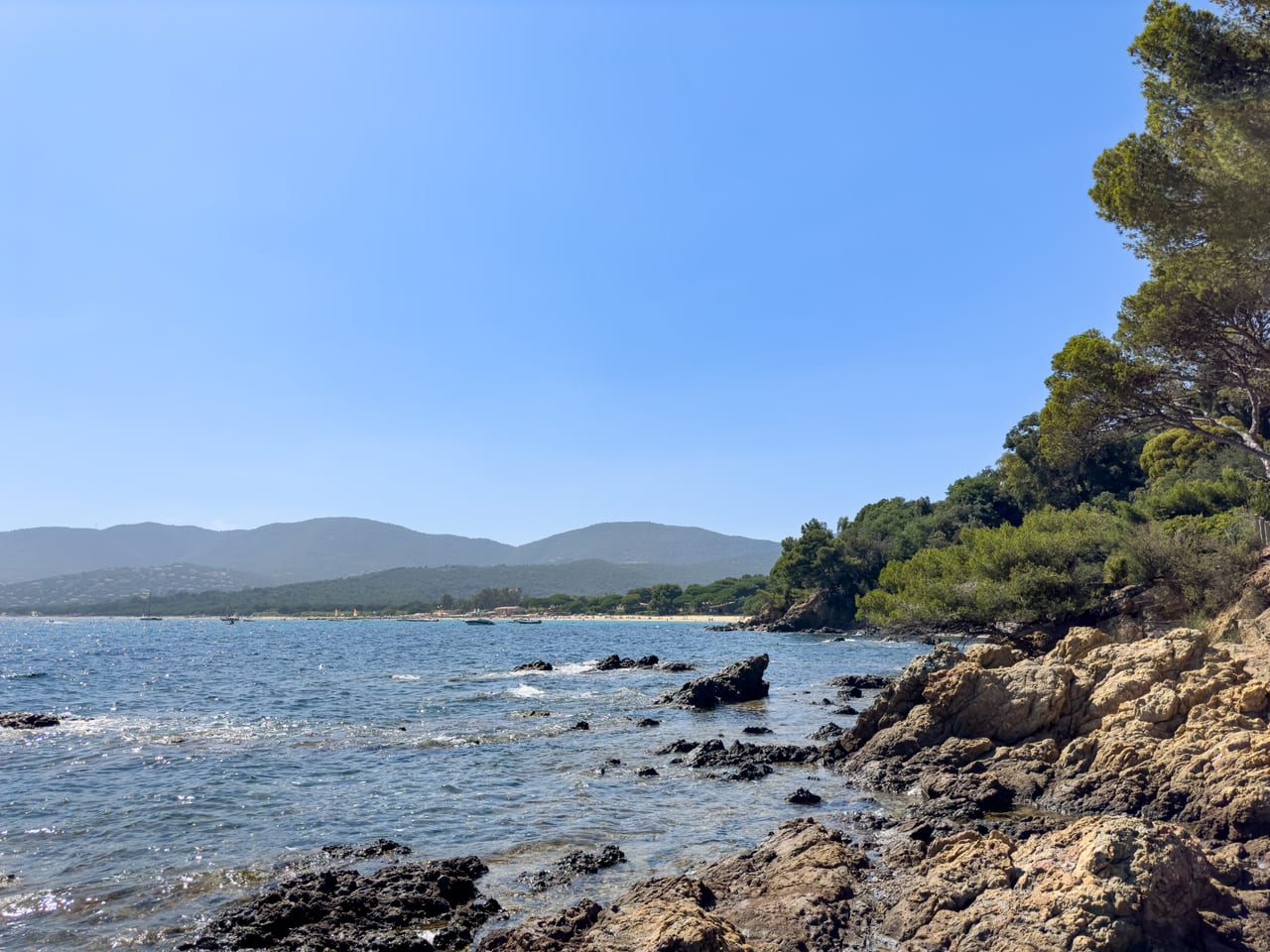
Cavalaire-sur-Mer s'impose d'abord par la baie. La courbe du front de mer, les longues plages, le port et les quais donnent au lieu une lisibilité immédiate. Mais cette géographie très ouverte ne raconte pas tout. Derrière la plage, les collines, les secteurs de nature et la plaine de Pardigon rappellent que Cavalaire tient aussi à un paysage plus profond que sa seule façade balnéaire.
La promenade gagne donc à tenir ensemble deux temps: d'abord la lecture maritime, très visible, puis l'exploration d'un territoire où l'histoire, l'archéologie et la protection du littoral ont gardé une vraie place. Cavalaire n'est pas seulement une station de baie; c'est aussi une commune où le sol, la mémoire et les usages du rivage comptent beaucoup.
Une ville ouverte sur sa baie
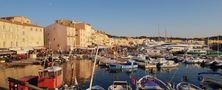
Le premier contact passe par les quatre kilomètres de plages de sable fin, le port et les quais. Cette ligne simple structure la vie quotidienne comme la visite. On marche ici avec un horizon dégagé, des vues larges, une relation directe aux bateaux et un centre qui reste très vite accessible depuis la mer.
Cette façade maritime ne doit pourtant pas faire oublier les quartiers plus hauts, les vallons et les entrées de ville. Cavalaire vit en pente douce vers l'arrière, entre rivage, habitat et relief. L'échelle de la baie explique sa vocation balnéaire, mais la commune se comprend mieux si l'on accepte aussi cette profondeur intérieure.
Pardigon, archeologie et memoire du Debarquement
Le secteur de Pardigon donne à la commune une épaisseur historique particulière. Les sites archéologiques de Pardigon, du Montjean et d'autres secteurs montrent que ce littoral a connu des occupations anciennes et des usages variés. La chapelle de Pardigon et les traces du passé agricole rappellent que la baie fut aussi un espace de travail et non seulement de loisir.
Le 15 août 1944, les troupes alliées débarquent sur Pardigon. Cette mémoire militaire s'inscrit dans un paysage qui reste aujourd'hui une coupure d'urbanisation importante, protégée pour sa valeur historique, paysagère et naturelle. Cavalaire garde donc dans sa géographie même la trace d'un événement majeur du Débarquement de Provence.
Geographie, geologie et relief du littoral
Le territoire s'inscrit dans un vaste amphithéâtre de verdure adossé aux contreforts du massif des Maures. La baie s'ouvre entre des reliefs marqués, avec d'un côté des secteurs plus construits et de l'autre des points, des pentes et des zones littorales plus sensibles. Cette structure explique à la fois l'attractivité balnéaire et la présence d'espaces à protéger.
La grande plage sableuse tranche avec les éléments plus rocheux et plus secs des marges. Ce contraste entre ouverture marine et encadrement collinéen donne à Cavalaire une identité très lisible: celle d'une baie habitée, mais tenue par un relief qui empêche la ville de se dissoudre complètement dans le front de mer.
Botanique, nature et paysages habites
Autour de Cavalaire, pins parasols, mimosas, végétation méditerranéenne sèche, jardins de bord de mer et secteurs plus sauvages coexistent à faible distance. La Maison de la Nature et les parcours de découverte rappellent combien la commune cherche aussi à transmettre ce patrimoine vivant, au-delà des usages touristiques immédiats.
Dans les secteurs protégés, la flore littorale et les milieux plus ouverts de Pardigon ont une valeur particulière. La baie n'est pas seulement un espace de baignade; c'est aussi un milieu où la protection de la végétation, des insectes pollinisateurs, des sols et des équilibres côtiers fait partie de la lecture du lieu.
Comment parcourir Cavalaire aujourd'hui
Une visite cohérente peut commencer par le port et le front de mer, puis élargir vers Pardigon, un parcours patrimonial ou un secteur de randonnée. Cette progression aide à sortir d'une vision uniquement balnéaire et à replacer la commune dans son cadre plus large.
Hors saison, les volumes de la baie se lisent beaucoup mieux, les protections de site sont plus visibles et la profondeur historique ressort davantage. C'est souvent à ce moment que Cavalaire apparaît pour ce qu'elle est vraiment: une grande baie habitée, mais aussi un paysage littoral chargé d'histoire et de nature.
Après Cavalaire-sur-Mer, on peut filer vers Le Rayol-Canadel-sur-Mer pour prolonger la lecture du littoral, ou revenir à la page des villages du golfe.